


False Smiles, Real Consequences: The Impact of Toxic Positivity

Explore the shift from toxic positivity to authenticity in the workplace, fostering genuine connections and a culture of empathy.
Today’s guest post is by Satyen Raja, Leadership Coach and Founder of WarriorSage.
In an era where the corporate mantra often echoes the need for unwavering positivity, we find ourselves grappling with the unintended consequences of this singular focus. The concept of toxic positivity, though wrapped in the guise of motivational encouragement, can inadvertently create an environment where the authenticity of our human experience is overshadowed by a relentless push for positivity. This cultural phenomenon, while stemming from a place of good intention, can lead to a work environment where genuine emotions are sidelined, and superficial exchanges become the norm.
The essence of toxic positivity lies in its denial of the complex, multifaceted nature of human emotions. It’s similar to applying a one-size-fits-all solution to the diverse challenges and experiences that individuals face in their personal and professional lives. In doing so, we not only invalidate the real struggles and feelings of our team members but also risk creating an environment where people feel isolated in their true experiences, unable to share for fear of being perceived as negative or not a team player.
The danger of such an environment is twofold. On one hand, it stifles the growth and development of individuals who may find themselves unable to express concerns, fears, or challenges openly. On the other hand, it hampers the organization’s ability to address and solve problems effectively, as issues are often swept under the rug in favor of maintaining an appearance of unwavering optimism.
Acknowledging the duality of our experiences, as taught in Eastern philosophies and the WarriorSage traditions, offers a path forward. These traditions emphasize the balance of yin and yang, the acceptance that life is an interplay of light and dark, positive and negative. In the workplace, this means fostering an environment where all emotions are acknowledged and valued, where the challenges are seen not as failures but as opportunities for growth and learning.
Creating such a culture requires intentional leadership. It demands leaders who are not only self-aware but also deeply committed to fostering an environment where authenticity is the cornerstone of the organizational culture. This involves developing empathy, the ability to genuinely connect with and understand the experiences of others, and using this understanding to guide leadership decisions and team interactions.
Empathy in leadership is about more than just listening; it’s about creating a space where team members feel truly heard and understood. This means moving beyond surface-level engagements and diving into the deeper, sometimes more uncomfortable conversations that reveal the heart of the challenges faced by the team. It’s in these moments of vulnerability that true connections are forged, leading to a more cohesive and resilient team dynamic.
Moreover, shifting the focus from toxic positivity to authenticity does not mean abandoning positivity altogether. Instead, it’s about embracing a more balanced and realistic approach to how we navigate our work and interactions. Authentic positivity arises naturally when people feel supported, valued, and understood. It’s a positivity that’s grounded in reality, resilient in the face of challenges, and inclusive of the full range of human emotions.
In practice, cultivating such an environment involves concrete steps and strategies. It starts with leadership modeling the behavior they wish to see, openly sharing their own challenges and vulnerabilities, and encouraging others to do the same. It involves implementing policies and practices that prioritize mental health and well-being, offering support and resources for those navigating difficult times, and creating regular opportunities for open, honest dialogue.
Training and development programs can also play a crucial role in this cultural shift. By incorporating emotional intelligence, active listening, and conflict resolution skills into leadership development initiatives, organizations can equip their leaders with the tools needed to foster an environment of authenticity and empathy.
In conclusion, the journey toward dismantling toxic positivity and fostering a culture of authenticity and empathy is both a personal and organizational endeavor. It requires a commitment to recognizing and valuing the full spectrum of human emotions, a willingness to engage in the deep, sometimes difficult conversations that lead to understanding and connection, and a dedication to creating a workplace where every individual feels empowered to bring their whole self to work. Let’s remember that the strength of our teams and the success of our organizations lie not in the facade of constant positivity but in the depth of our authenticity and the richness of our shared human experience.
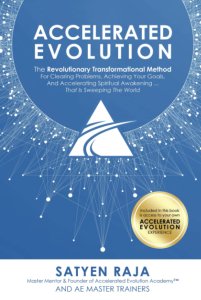 Satyen Raja, author of Accelerated Evolution, is a world-renowned teacher, mentor, and guide. Satyen has been building and scaling businesses for over 30 years. His Transcendent Leadership programs at WarriorSage feature exclusive coaching, private mentorship, group trainings and intensives, retreats and Spiritual Adventure Tours, designed to bring CEOs, Founders, and entrepreneurs into deeper work-life balance, self-realization, and illumination of their soul’s mission and purpose.
Did you enjoy this post? If so, I highly encourage you to take about 30 seconds to become a regular subscriber to this blog. It’s free, fun, practical, and only a few emails a week (I promise!). SIGN UP HERE to get the thoughtLEADERS blog conveniently delivered right to your inbox!


Very Powerful Post.
I learned a long time ago that Emotions & Feelings are neither “Good” nor “Bad”. They are what they are and must be dealt with appropriately. This post calls out and presents a potent remedy to today’s Cultural Phenomena called Cancel Culture as is commonly used as a form of control in which some who are deemed to have acted or spoken in an unacceptable manner are ostracized, boycotted, or shunned.
Understanding that Bottom Line Results that are positive for the Firm is the End Game and that we all “Rise on an Incoming Tide” is the mantra. Love the Warrior Sage Mentality…this is authentic and True Diversity.