


3 Reasons Millennials Hate Your Performance Review
New research on performance management shows that the traditional performance review is failing millennials. It’s too infrequent, it’s too impersonal and it doesn’t feel valuable to them. However, when done properly, the feedback managers give to their millennial employees can promote positive change and career growth.
Today’s post is by Michael Bungay Stanier, author of The Coaching Habit (CLICK HERE to get your copy).
Millennials are now the largest generation in the workforce and, as with any generation, the ways they work and perform have been closely studied. Millennials are often considered as the generation that requires constant feedback. They are always looking to see how they’re doing — even if that means receiving criticism. Researchers for The Truth & Lies of Performance Management, a report commissioned by Box of Crayons, found that, on average, Human Resources leaders responded that 30% of managers are good at coaching and 32% are poor. That leaves 38% of managers somewhere in the middle. Whatever the generation, feedback has value and, when done properly, can promote positive change and career growth.
Because of this type of less-than-positive interaction with their managers, the annual performance review is failing the career-driven millennial. What’s the bottom line? It’s too infrequent, it’s too impersonal and it doesn’t feel valuable to them.
It Happens but Once a Year
A 2015 TriNet Perform study by Wakefield Research surveyed one thousand full-time employees in the United States who had been born after 1980. It found that while 69% of millennials relied on reviews for their career growth they considered their companies’ review systems to be flawed. When it came to performance reviews, 62% of respondents said they have felt “blindsided” by a review, 59% often felt their manager was unprepared to give feedback and 22% had even called in sick because of anxiety over their review. Clearly, the traditional model of performance review isn’t working as well for the millennial generation as it did for earlier ones.
The survey also indicated that 85% of millennials believed they would feel more confident in their work if they had performance conversations with their managers on a more regular basis. These are opportunities to check-in about the challenges facing an employee as well opportunities to hear about what’s going well. And these conversations are unfettered from the stress that comes with the yearly performance review.
It Lacks Specific Detail
Although millennials may not seek the same job stability their baby-boomer parents did, they do look for ways to grow their careers. When an annual review ends up feeling like vague feedback, it comes across as weak and unhelpful. By not providing detailed feedback, the review seems disconnected to real-life training and doesn’t help millennials progress. In the TriNet survey, 28% of millennials were disheartened enough by the performance review to look for a new job.
It Doesn’t Feel Valuable
Millennials who want to develop their career tend to seek out feedback in their daily interactions. Yet, instant feedback tends to be replaced by a traditional performance review, and that annual conversation is often closely tied to salary discussions. That means the review doesn’t necessarily focus on growth and development — feedback on how they are doing — which is what millennials crave. Almost half of the people surveyed from that generation said that performance reviews made them feel like “they can’t do anything right.” As well, 32% of the people surveyed said they disliked it when a review didn’t allow for an actual conversation between parties.
Often miscategorized as lazy and entitled, millennials are hard workers who have competed for and endured grueling internships. It’s always better to avoid generational stereotypes, and get to know who you’re working with. Many millennials are actually motivated to succeed, and providing frequent and specific feedback is the way to help them do this. This kind of feedback allows employees — of all ages — to make adjustments and find new solutions while growing in their careers. And that’s something worthwhile no matter the generation that someone belongs to.
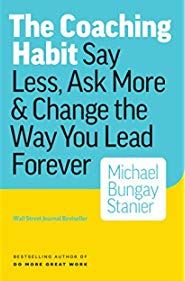 Michael Bungay Stanier is the Senior Partner at Box of Crayons, a company that teaches 10-minute coaching so that busy managers can build stronger teams and get better results. His most recent book, The Coaching Habit, has sold a quarter of a million copies. Along with David Creelman and Anna Tavis, Michael recently conducted and released a new piece of research, The Truth & Lies of Performance Management. Michael is a Rhodes Scholar and was recently recognized as the #3 Global Guru in coaching. Visit BoxofCrayons.com and http://boxofcrayons.com/pmresearch/ for more information.
Did you enjoy this post? If so, I highly encourage you to take about 30 seconds to become a regular subscriber to this blog. It’s free, fun, practical, and only a few emails a week (I promise!). SIGN UP HERE to get the thoughtLEADERS blog conveniently delivered right to your inbox!
Photo: Good Job Smiley Face Inspirational Quotes by Steven Depolo
Leave a Reply
Want to join the discussion?Feel free to contribute!