


Will Unresolved Conflict Like Unclaimed Baggage Threaten Return To Work Success?

Unresolved conflict is like unclaimed baggage in a storage closet. With return to the workplace, will reclaimed conflicts burst open, threatening chaos?
Today’s post is by Mary Nestor, author of Say It Now! Say It Right! (CLICK HERE to get your copy).
When word came down that the office was closing down because of the COVID-19 pandemic, Sue had mixed feelings. She didn’t mind not having to drive an hour through traffic to get to her downtown office. New to the management team, she would miss the weekly staff meetings with donuts in the conference room. She wasn’t going to miss the tension with some of her co-workers. Her assistant showed Sue emails circulating that Sue had slept her way into the position. Not true, she confronted her accusers, but they just gave her “the look” and laughed it off. She brought it to the attention of her manager, but he said he wasn’t interested in petty gossip and told her to ignore it. She felt betrayed when he failed to back her up. Working remote meant she could physically distance herself from the stressful situation, her co-workers, and her manager.
Jorge was qualified for the new superintendent position; he had worked long hours despite juggling his kids’ after school sports and music lessons. When the owner’s daughter showed up, fresh out of tech school with little experience, she was given the position and a generous salary increase. The plant went on a COVID reduced schedule in May of 2020. Management assigned Jorge to train the new superintendent to be ready when things opened up. Jorge felt he was unjustly passed over, but in the chaos of the plant shutdown, he wasn’t able to get time to talk to his manager.
Olivia’s team was floundering before the pandemic. Her performance hadn’t improved despite several reviews, coaching and improvement plans. The executive team had agreed on terminating her employment, but when her husband came down with COVID-19, they held off. A week later the office closed. Olivia struggled with working remote, and some of her team members have threatened to quit if Olivia continues as team leader when they return to the office.
Unresolved workplace conflicts, like unclaimed baggage, don’t go away. They get stuffed down, moved around, kept out of site, ignored. The issues, like the contents of that baggage, are important to someone. Like a suitcase that is mishandled and tossed around, the issues can burst open, spilling anger, and exposing broken workplace relationships. This baggage is stacked up in every workplace, large or small, corporate or non-profit, just waiting to be reclaimed. They are one more reason why employees like Sue, Jorge, and Olivia’s team members may be reluctant to return to the physical workplace.
Chapter 4 of Say It Now, Say It Right! How to Handle Tough and Tender Conversations—Say It Later…And Count the Cost—lists the high cost of not dealing with conflict or poor performance. Disasters. Continued bad habits. Errors that can cost millions of dollars, lost business, dangerous working conditions, or damaging lawsuits.
In Olivia’s case, the cost is loss of talent in a tough labor market caused by resentment and anger over unresolved situations with co-workers due to leaders who hide from their responsibility by avoiding conflict and passing off responsibility.
Sue feels alone, resigned to going back to an environment that was toxic. And Jorge feels devalued and demotivated, having spent the last 15 months training a less experienced person to take over a job he should have had.
Handling these tough conversations is critical to the transition from remote to return to the workplace. Managers should take an honest look back and anticipate baggage that can trip up a smooth transition back to work. They need to listen to employees and look for signs of stress or indications that employees need to talk. They must be honest about their part in these situations and proactive in addressing unresolved workplace conflicts. Timing, delivery and most of all, the right motive in having these conversations is critical to a positive resolution.
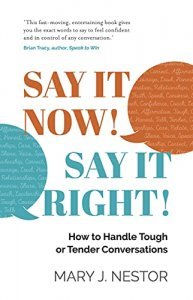 Mary Nestor is a best-selling author, speaker, trainer and coach on Leadership, Communications and Change Management. Say It Now! Say It Right! How to Handle Tough or Tender Conversations is available at Amazon.com here.
Did you enjoy this post? If so, I highly encourage you to take about 30 seconds to become a regular subscriber to this blog. It’s free, fun, practical, and only a few emails a week (I promise!). SIGN UP HERE to get the thoughtLEADERS blog conveniently delivered right to your inbox!


Leave a Reply
Want to join the discussion?Feel free to contribute!